
The Best At-Home Stress Relief Tools to Calm Your Nervous System Naturally
Updated: Jul 2
A practical guide to calming your nervous system at home

You wake up already tired. Your shoulders feel tight before you have even opened your laptop. By mid-afternoon your thoughts are scattered and loud. At night you are exhausted but somehow still wired.
If that sounds familiar, you are not failing at stress management. Your nervous system may simply be responding to the pressures of modern life. To understand this pattern more deeply, you may want to read about Why Your Nervous System Feels Constantly Stressed in Modern Life.
Chronic stress has become so normalized that many people do not realize how deeply it affects the body. Research suggests that chronic stress is associated with increased inflammation, sleep disruption, memory impairment, and higher risk of cardiovascular and metabolic disease. Yet most of us try to solve stress with mindset alone while ignoring the physiology underneath it.
The truth is simple: the body has to feel safe before the mind can fully calm down.
This guide will walk you through the best at-home stress relief tools, how they support nervous system relaxation naturally, and how to choose the right option based on how stress shows up in your life. Think of this as a realistic, sustainable approach to daily stress management, not another overwhelming wellness checklist.
These tools are intended for stress regulation and relaxation support rather than treatment of medical or psychiatric conditions.
Why Physical Stress Relief Tools Actually Work
Stress is not just emotional. It is biological.
When you perceive a threat, your sympathetic nervous system activates the fight-or-flight response. Heart rate increases. Muscles tighten. Breathing becomes shallow. Cortisol and adrenaline rise. This response is protective in short bursts. When it becomes chronic, it is draining.
You may notice:
Tight neck, jaw, and shoulders
Headaches
Digestive discomfort
Rapid heartbeat
Fatigue
Trouble sleeping
Irritability
Difficulty concentrating
Over time, chronic stress is linked to heart disease, stroke, obesity, and type 2 diabetes. That is why learning how to calm your nervous system at home matters more than occasional relaxation.
At-home stress relief tools work because they provide sensory signals of safety. Deep pressure, warmth, cooling, rhythmic sound, and repetitive motion all help shift you out of fight-or-flight and into the parasympathetic state, often called rest and digest.
When that shift happens, heart rate slows, cortisol decreases, digestion improves, and thinking becomes clearer. The body settles so the mind can follow.
How to Choose the Right Stress Relief Tool for You
The best stress relief tools for anxiety and overwhelm depend on your pattern of stress. Before buying anything, pause and identify how stress shows up most often.
If You Carry Stress in Your Body
You feel tight. Your shoulders creep upward. Your jaw clenches. You get tension headaches or shallow breathing.
Focus on tools that release muscle tension and improve circulation.
If Your Mind Feels Loud and Overloaded
You forget small things. Simple decisions feel hard. Your thoughts race at night.
Focus on tools that reduce cognitive load and interrupt rumination.
If You Feel Emotionally Depleted
You are not just tired. You feel drained. Motivation drops.
Focus on tools that build resilience and support mood regulation over time.
If Sleep Is the Main Problem
You struggle to fall asleep or wake frequently.
Focus on tools that regulate circadian rhythm and calm nighttime nervous system activation.
Matching the tool to the stress pattern is what makes natural stress relief at home actually effective.
Best At-Home Stress Relief Tools for Physical Tension
When stress lives in your muscles, physical release matters.
Foam Roller

Foam rolling acts as self-massage using body weight to apply pressure to tight muscles and fascia. It improves blood flow, increases mobility, and can reduce the perception of muscle knots. Even five minutes after work can reduce that braced, guarded feeling in the upper back. A high-quality foam roller designed for muscle recovery can make this practice more comfortable and effective for daily use.
Best for: postural strain, upper back tightness, hip stiffness.
Neck and Shoulder Heated Wrap

Heat increases circulation, relaxes stiff muscles, and stimulates endorphin release. For people who spend long hours at a desk, a neck and shoulder heated wrap for muscle tension is often one of the highest return stress relief tools for natural relaxation at home.
Best for: desk tension, stress headaches, evening wind-down.
Massage Gun

Percussive therapy boosts circulation and helps break up fascial restriction. It provides deeper pressure than a foam roller and can be especially helpful after long workdays or intense workouts when muscles feel guarded or stiff. A deep tissue massage gun for muscle recovery can help release stubborn tension patterns.
Best for: deep, stubborn muscle tension.
Nervous System Regulation Tools for Acute Stress
Sometimes you do not need long-term resilience. You need to calm anxiety now.
Weighted Blanket

Weighted blankets provide deep pressure stimulation that encourages a shift into rest-and-digest mode. Many people notice slower breathing and a greater sense of safety within minutes when using a weighted blanket designed for deep pressure comfort.
Best for: acute anxiety, difficulty winding down at night.
Cooling Eye Mask
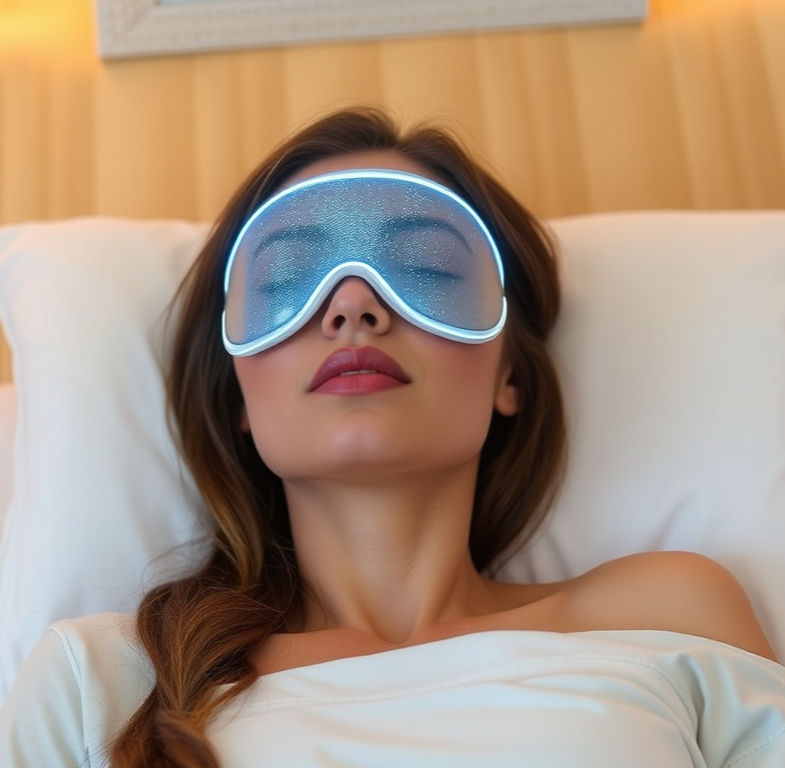
Cold exposure around the face can trigger the diving reflex, naturally slowing heart rate and reducing nervous system activation. A reusable cooling eye mask for headache and eye strain can be especially helpful during migraines, panic spikes, or sensory overload.
Best for: migraines, panic spikes, sensory overload.
Sound Therapy Machine
Consistent natural sounds such as rain or ocean waves help regulate brainwave patterns and mask sudden noises that keep your system on alert. A white noise or nature sound therapy machine can improve sleep onset and help quiet racing thoughts.
Best for: racing thoughts and sleep onset issues.
Tabletop Water Fountain

The gentle sound of flowing water mimics environments humans instinctively associate with safety. It provides steady, calming background input during work hours. A small indoor tabletop water fountain can help maintain a relaxed atmosphere throughout the day.
Best for: maintaining calm focus throughout the day.
Stress Balls and Tactile Tools
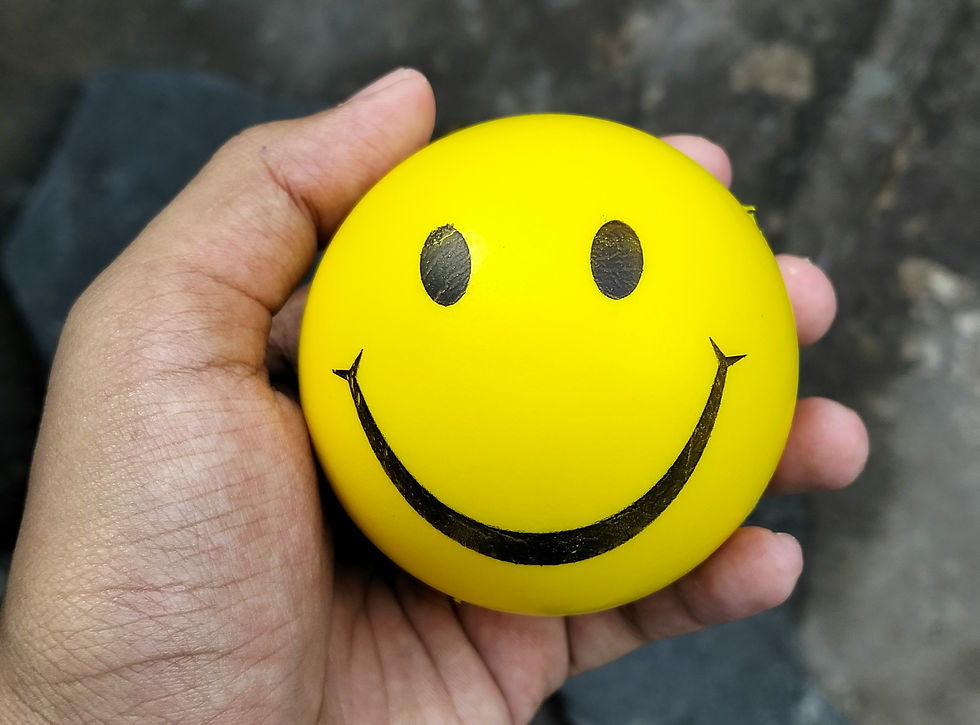
Repetitive squeezing provides grounding sensory input and redirects attention away from rumination. Portable and surprisingly effective during high-pressure moments. A sensory stress ball designed for anxiety relief is useful for meetings, commuting, or anxious waiting.
Best for: meetings, commuting, anxious waiting.
Tools That Improve Sleep, Recovery, and Mental Clarity
These are less about immediate relief and more about building daily nervous system resilience.
Sun Lamp

Bright light therapy helps regulate circadian rhythm by influencing serotonin and melatonin timing. Morning exposure can improve sleep quality, mood stability, and cognitive clarity, especially if seasonal changes affect your energy levels. A light therapy sun lamp for morning use can help signal to your brain that it is time to be awake and alert.
Best for: low energy, seasonal dips, disrupted sleep cycles.
Journaling
Journaling reduces cognitive load by transferring thoughts from mind to paper. A short brain dump before bed can help quiet mental noise and shorten the time it takes to fall asleep. Using a simple lined journal for daily reflection can make this practice easier to maintain.
Best for: mental overload and rumination.
Gratitude Practice
A gratitude journal helps shift attention toward positive experiences and strengthens emotional resilience over time. Many people find that a dedicated gratitude journal or notebook supports emotional processing and reduces negative thought loops.
Best for: negative thought loops and emotional exhaustion.
Adult Coloring Book

Coloring encourages a focused, repetitive flow state that supports gentle relaxation. It is screen-free, low pressure, and best suited for people who actually enjoy creative activity. An adult coloring book designed for mindfulness coloring can be a simple evening wind-down tool.
Best for: gentle evening wind-down.
Meditation Mat

Meditation helps reduce stress reactivity and supports parasympathetic activation. The mat itself is not magical. Consistency is what matters. A comfortable meditation mat or cushion simply lowers friction and makes daily practice easier.
Best for: long-term nervous system regulation.
What Is Actually Worth the Investment?
The most effective stress relief tools are often simple.
For many people, the highest return stress relief tools are simple and practical:
A heated neck wrap for muscle-based stress
A tabletop water fountain for daily nervous system regulation
A sun lamp paired with journaling for mental clarity
These provide meaningful benefit without creating clutter in your space.
Be cautious of over-commercialized solutions. If a stress management practice feels like another task to optimize, it may not be calming your nervous system at all.
Also watch for diminishing returns. Ten minutes of meditation may feel restorative. Sixty may feel draining. The goal is regulation, not endurance.
How to Build a Daily Stress Management Routine That Sticks
Start with one tool.
Before purchasing, test the behavior. Sit quietly for five minutes before buying a meditation mat. Use a warm towel before investing in a heating wrap.
Pair new tools with existing habits. Turn on your water fountain when you begin work. Use your sun lamp during morning coffee. Journal after brushing your teeth.
If you are working toward long-term resilience, building supportive routines matters just as much as individual tools. You may also want to explore Simple Daily Habits for Long-Term Health and Longevity as part of your overall stress management strategy.
Keep tools visible. Accessibility increases consistency.
Evaluate how you feel. You may release muscle tension but still need support for mental clarity. Layer thoughtfully instead of abandoning what works.
The best stress relief tools for anxiety are the ones you actually use.
When At-Home Stress Relief Is Not Enough
At-home tools are powerful for daily regulation. They are not a replacement for professional care.
Seek additional help if you experience:
Persistent or worsening anxiety
Ongoing depression or loss of interest
Trauma-related symptoms such as flashbacks or hypervigilance
Severe or chronic sleep disorders
Stress that significantly interferes with daily functioning
Therapists, physicians, and other licensed professionals can provide evidence-based treatment for deeper patterns.
Frequently Asked Questions About Calming Your Nervous System at Home
What is the fastest way to calm your nervous system?
Slow breathing with longer exhales, deep pressure (like a weighted blanket), and cooling the face are among the fastest ways to shift out of fight-or-flight.
What are the best stress relief tools for anxiety at home?
Weighted blankets, heating wraps, cooling eye masks, sound therapy machines, journaling, and bright light therapy are commonly used for natural anxiety relief because they support physiological regulation, relaxation, and better sleep.
How can I manage stress daily without medication?
Build a daily stress management routine that includes sleep support, movement, breathwork, and one consistent calming tool. Consistency matters more than intensity.
Why does my body feel stressed even when my mind feels calm?
Stress is processed in the nervous system, not just the mind. Your body may remain activated even if your thoughts feel controlled. Physical regulation helps reset that state.
A Simple Place to Start Today
If you do nothing else after reading this, start by identifying where stress shows up most in your body. Is it your shoulders, your sleep, or your racing thoughts?
Choose one tool that directly addresses that pattern and use it daily for the next seven days. Pay attention to your response. Notice how you sleep, how your muscles feel, and how quickly you recover from stress.
Let your experience guide you.
Nervous system regulation is built through repetition. Small, consistent signals of safety gradually retrain your stress response.
Calm is not a personality trait. It is a practiced physiological state.


Comments