
10 Best Sleep Tools and Habits to Sleep Better Tonight
A practical guide to creating deeper, more restorative sleep at home
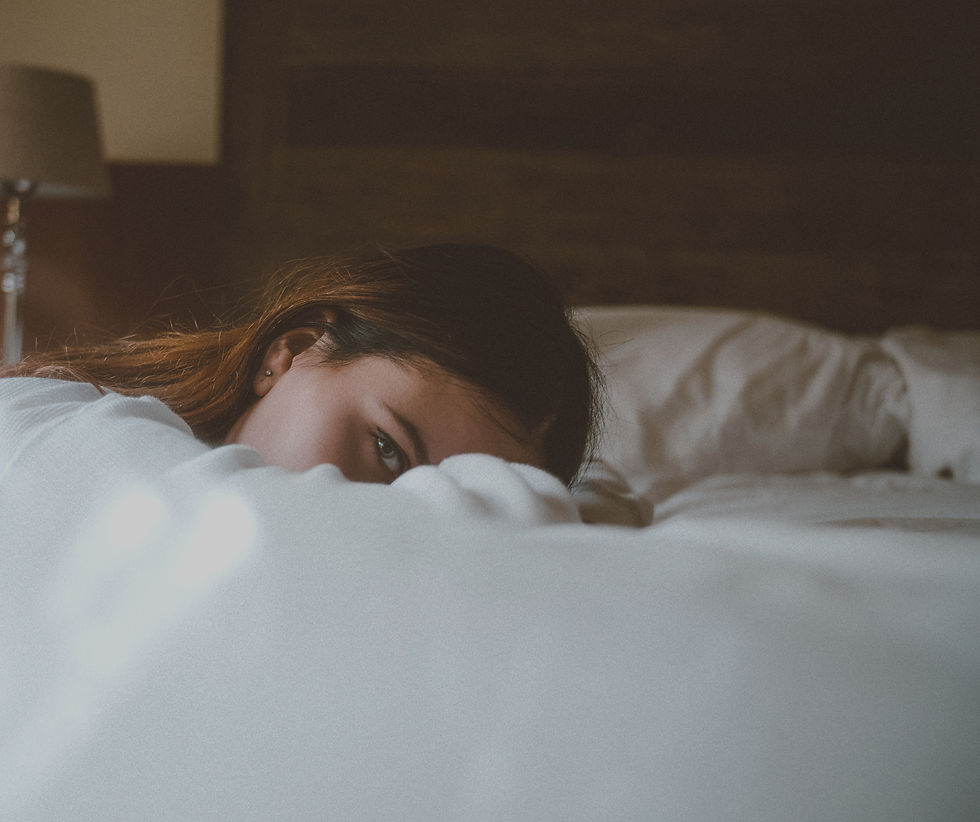
Do you crawl into bed exhausted but your mind will not stop racing? Do you fall asleep quickly, only to wake up at 3 a.m., tossing and turning, unable to get comfortable again? Or maybe you sleep through the night yet still wake groggy and unrested.
If this sounds familiar, you are not alone. Millions of people struggle with sleep, even when they make rest a priority.
The truth is that sleep is not controlled by willpower. It is regulated by your nervous system, circadian rhythm, and environment. When your bedroom and daily habits support these systems, falling asleep and staying asleep is easier. When they do not, getting truly restorative sleep can feel impossible.
The good news is that small, science-backed changes to your sleep environment and routines can make a dramatic difference starting tonight. This guide covers 10 proven sleep tools and habits that help you fall asleep faster, sleep deeper, and wake refreshed.
Why the Best Sleep Tools Help You Sleep Better
Sleep is more than feeling tired. It is a biological process. As bedtime approaches, your body naturally prepares for rest:
Melatonin rises, signaling your brain that it is time to sleep
Body temperature drops slightly, supporting restorative sleep
Heart rate slows, allowing relaxation
Alertness decreases, making it easier to drift off
Modern life often interferes. Bright lights, noise, irregular schedules, and stress can keep your brain in a high-alert state.
The best sleep tools promote better sleep because they restore the signals your body expects. Darkness, warmth, cooling sensations, gentle sounds, and comfortable bedding all communicate safety to your nervous system. When your brain senses these cues, it transitions more easily into deep, restorative sleep.
How to Choose the Right Sleep Tools
Before buying every sleep gadget online, identify what disrupts your sleep. Different problems require different solutions:
Struggle to fall asleep: Your mind stays active even when your body is tired. Weighted blankets, sound machines, or a consistent evening routine can calm your nervous system.
Wake up frequently: Light, noise, or temperature changes may interrupt your rest. Blackout curtains, white noise machines, or cooling bedding can stabilize your sleep environment.
Physical discomfort: Pain, tension, or overheating prevents deep sleep. Mattress upgrades, cooling pads, or circulation supports may help.
Wake up too early: Light exposure and circadian rhythm issues may be the cause. Block early morning light or follow light-based routines to regulate your body clock.
Once you understand your sleep patterns, it is easier to choose tools that truly solve the problem.
Sleep Environment Essentials for Better Rest
Your bedroom has the biggest impact on sleep quality. The body sleeps best in cool, dark, and quiet spaces.
Regulates temperature by improving airflow and pulling heat away from your body. Prevents night sweats and restlessness.
Best for: hot sleepers, night sweats

Blocks outside light, including streetlights and early morning sun, to maintain melatonin production.
Best for: early waking, light-sensitive sleepers
Blocks ambient light for travel, daytime naps, or rooms without blackout curtains. Comfortable and non-restrictive.
Best for: light-sensitive sleepers, travelers
Masks sudden noises with consistent sounds like rainfall or ocean waves. Prevents the brain from reacting to small disturbances.
Best for: light sleepers, noisy environments
Best Sleep Tools for Physical Comfort
Sometimes sleep struggles come from tension, discomfort, or anxiety. These tools help your body relax naturally.
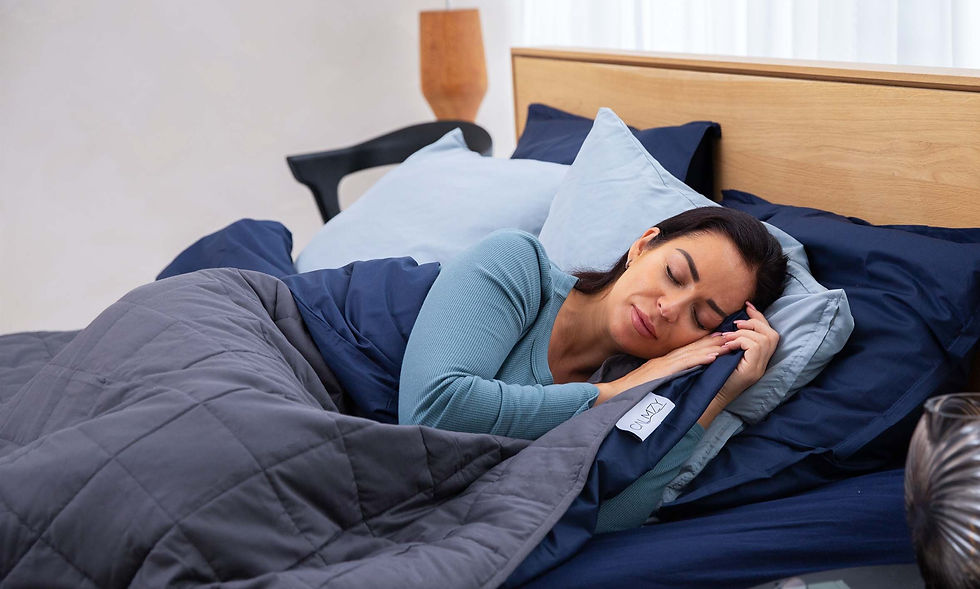
Provides deep pressure stimulation, calming the nervous system, slowing breathing, and reducing restlessness.
Best for: anxiety, restlessness, difficulty winding down
Supports natural cooling by warming your feet and lower legs. Gentle, targeted warmth helps the body relax.

Best for: cold sleepers, difficulty falling asleep
Adds moisture to dry air, reducing nasal irritation and nighttime congestion. Improves breathing comfort and prevents sleep interruptions.
Best for: dry climates, congestion, interrupted sleep
Daily Habits That Improve Sleep Quality
Sleep tools work best when paired with consistent daily habits that support your circadian rhythm. Small, regular practices train your body to wind down at night and wake up naturally in the morning.
Morning Sunlight
Getting natural light shortly after waking helps regulate your internal clock and signals your body that the day has begun. Even 10–15 minutes outdoors can make it easier to feel sleepy at night. On overcast days or in winter, a sun lamp can mimic morning light to support circadian rhythm.
Best for: irregular schedules, seasonal changes, difficulty feeling sleepy
For more tips, see our article Morning Sunlight for Better Sleep and Energy.

Daily Movement
Regular physical activity improves sleep depth and reduces stress. Walking, gentle stretching, or yoga supports healthy sleep cycles. Evening poses such as legs up the wall help release tension before bed.
Best for: restless sleepers, evening tension, naturally supporting circadian rhythm
Learn more in our article on the relationship between physical activity and sleep quality.
Evening Wind-Down Routine
Transitioning from daytime stimulation to rest is essential. Even a short routine signals that it is time to sleep. Helpful practices include journaling, gentle stretching, meditation, Epsom salt foot soaks, or blue light blocking glasses if you use screens.
Best for: difficulty falling asleep, evening stress, training your body to rest consistently
See our article on developing a calming evening routine for step-by-step guidance.
Sleep-Supporting Foods and Drinks
Diet plays a meaningful role in sleep quality. Tart cherry juice may support melatonin production, and a small bedtime snack can prevent waking from hunger.
Best for: nighttime hunger, difficulty maintaining sleep, naturally supporting circadian rhythm
Explore more in Foods and Drinks that Naturally Improve Sleep Quality.
Building a Sleep Routine That Actually Works
Better sleep rarely comes from a single product. Most improvements happen when small adjustments combine to support your body’s natural rhythm.
Start with the basics: temperature, darkness, and noise control
Add supportive habits: morning sunlight, daily movement, evening wind-down
Pick one or two tools to address your biggest challenge and use them consistently for a week
Track your sleep: how quickly you fall asleep, how often you wake, and how rested you feel
Over time, these changes can transform sleep from a nightly struggle into a natural, restorative habit. Rest is not a luxury. It is a biological need. With the right environment and routines, your body can finally relax the way it was designed to.



Comments