
How to Wind Down at Night When You’re Too Tired for a Full Routine

If you have ever felt too exhausted to do your nighttime routine, you are not alone. After a long day, even basic sleep habits can feel like too much. This is especially common when you are mentally overloaded, stressed, or feeling burned out but still expected to function normally.
A wind-down routine should not be a strict checklist. It is a flexible set of low-effort actions that help reduce stimulation, support your circadian rhythm, and make the transition into sleep feel easier instead of forced.
On nights like these, the goal is not to do more. It is to gently downshift from “still on” to “ready to rest” with as little friction as possible.
Why Nighttime Routines Stop Working When You Are Exhausted
After a long day, your brain is dealing with decision fatigue. Even simple choices like whether to shower, stretch, journal, or make tea can feel like effort. When everything feels like work, it becomes easier to default to doing nothing or getting stuck in low-effort stimulation like scrolling.
This is where all-or-nothing thinking shows up. If a full routine feels out of reach, it can feel like none of it matters. But that mindset often leads to staying overstimulated longer, which makes it even harder to fall asleep later.
The problem is not that you lack a nighttime routine. The problem is that most routines assume you have more energy at night than you actually do.
When you are already depleted, structure does not always help. It can add friction instead of removing it.
A Low-Effort Wind-Down System That Matches Your Energy

Instead of trying to follow one fixed bedtime routine, it helps to think in levels based on your actual energy.
Some nights you only need a minimal reset. Other nights you may naturally do more. Both are valid. What matters is flexibility, not perfection.
This approach also works better for people trying to improve sleep consistency, especially when stress or burnout makes routines harder to maintain.
Level 1: The Bare Minimum Reset for Exhausted Nights
When you are completely drained, the goal is not productivity or optimization. It is helping your body recognize that the day is over.
This starts by reducing stimulation in your environment.
Lowering bright overhead lighting can immediately reduce alertness and help your brain shift toward rest. Soft lamps or warm-toned lighting are especially helpful because they reduce visual intensity, which supports melatonin production and circadian rhythm alignment.
Comfort also plays a bigger role than most people realize. Changing into soft clothing or using a weighted blanket can help reduce subtle physical tension that keeps the body in a “still active” state.
Even very small actions like drinking water, washing your face, or brushing your teeth help create a psychological boundary between doing and resting. These cues signal that the active part of the day is complete.
On some nights, this is enough.
Level 2: Low-Effort Ways to Relax Before Bed
When you have a little more energy, gentle decompression can help your mind slow down without requiring structure.
Warm showers or baths are effective because heat exposure and repetition naturally support nervous system downshifting. Adding small sensory cues like steam, soft lighting, or calming scents can enhance this effect without adding effort.
Audio can also help reduce mental noise. Calm podcasts, rain sounds, or audiobooks give your mind something steady to rest on, which can be especially helpful when you feel tired but mentally alert.
Other low-effort options include stretching, sitting in dim lighting with a warm drink, or a few minutes of slow breathing. Herbal teas like chamomile or lemon balm are commonly used because they act as simple sensory cues that the day is ending.
There is no correct order here. The goal is not structure. It is reduction of stimulation.

Level 3: A Full Wind-Down Routine for Better Sleep
On nights when you have more capacity, a fuller routine can support deeper sleep quality.
This might include reducing screen exposure before bed, reading, journaling, light stretching, or completing skincare in a calm, unhurried way.
Sleep improves most when stimulation decreases gradually instead of stopping abruptly.
Bright light, constant input, and screen use can delay melatonin release and keep the brain in a more alert state than you might realize.
This is why sleep hygiene practices often emphasize lowering light exposure, reducing noise, and creating consistent bedtime cues that support the circadian rhythm.
Environmental support matters too. Cooler temperatures, soft lighting, comfortable bedding, and reduced noise all help the body transition more easily into sleep.
This is also where sleep-support tools can reduce friction. Items like sleep masks, white noise machines, cooling bedding, or supportive pillows do not create sleep on their own, but they help reduce barriers that keep the brain too alert at night.
Simple Products That Help You Wind Down at Night
Sometimes the most effective way to improve your wind-down routine is not adding more effort, but reducing resistance in your environment.
Warm ambient lighting can help reduce overstimulation in the evening and support a natural shift into rest. Weighted blankets may help some people feel more physically grounded after stressful days. Herbal teas, shower steamers, and calming scents can act as simple cues that signal it is time to slow down.
For nights when your mind feels overstimulated, tools like white noise machines or sleep masks can reduce sensory input. For nights when your body feels tense, softer bedding or warm layers can increase physical comfort.
The key is not collecting more products. It is matching small supports to the specific barrier you are feeling that night.
The Easiest Way to Start Winding Down

Starting is often the hardest part of any nighttime routine.
When you are tired, even small steps can feel larger than they are. One of the most effective ways to reduce that resistance is to focus only on the first action.
Dim the lights. Change your clothes. Plug your phone in across the room.
That is it.
You are not required to continue. But often, once the first step happens, momentum makes the next step easier. And even if you stop there, you have already begun shifting your nervous system toward rest.
What Actually Helps You Feel Rested
Rest is not just relaxation. It is the reduction of input long enough for your nervous system to settle.
Too much stimulation from screens, notifications, noise, or mental clutter keeps your brain in an active processing state long after you want to sleep. This is why scrolling often leaves people feeling mentally tired but not actually rested.
What works more consistently is lowering input rather than adding stimulation.
Soft lighting, quieter environments, physical comfort, and mental unloading all reduce cognitive load. Even writing down lingering thoughts can help interrupt mental loops that tend to surface at bedtime.
The goal is not a perfect evening. It is a lower-stimulation state that your body can recognize as safe enough for sleep.
Common Mistakes That Make Nights Harder
One common mistake is overcomplicating nighttime routines. The more steps there are, the more likely it is to feel overwhelming on low-energy nights.
Another is using scrolling as a substitute for rest. While it can feel like downtime, it often keeps the brain in a more activated state that delays sleep onset.
Rigid expectations also create unnecessary pressure. Missing a routine does not mean failure. Rest is not something you have to earn by completing a checklist.
How to Build a Wind-Down Routine That Actually Works for You
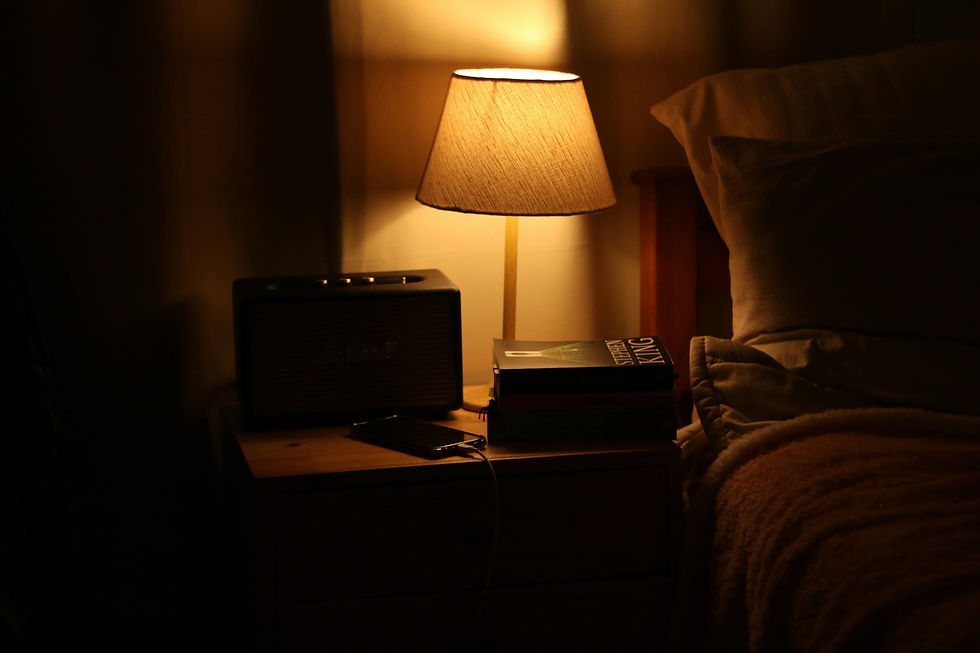
The most effective nighttime routine is one that matches your real energy, not your ideal version of yourself.
Start by identifying a few things that genuinely help you feel calmer, such as warm lighting, calming audio, showers, or comfortable clothing. Then make those easier to access so they require less effort when you are tired.
You do not need a different system every night. You only need a few reliable options that reduce friction and feel easy to return to.
Over time, consistency comes less from discipline and more from how easy the system is to begin.
The Real Goal Is Ease, Not Perfection
A good nighttime routine is not the one that looks the most complete. It is the one that still feels possible when you are exhausted.
Some nights that might look like a full wind-down routine. Other nights it might just be dimming the lights and getting into bed.
Both count.
What matters most is creating a gentle transition out of the day that works with your real energy, not against it.



Comments