
How to Stay Active as You Age for Better Mobility, Strength, and Longevity
- 4ever4nowliving
- Feb 24
- 5 min read

Most people do not just want to live longer. They want to stay mobile, independent, mentally sharp, and able to enjoy everyday life as they age.
That is where movement becomes one of the most powerful tools for healthy aging.
Staying active as you age is not about intense workouts or fitness trends. It is about supporting your body and mind in ways that help preserve strength, balance, energy, and resilience over time. Research consistently shows that regular movement is one of the most effective ways to support both longevity and quality of life as we grow older.
Longevity vs. Healthspan: Why Healthy Aging Matters
Longevity refers to how long a person lives. Healthspan refers to how many of those years are lived in relatively good physical, mental, and emotional health.
A longer life does not automatically mean a better one. Extra years shaped by chronic pain, limited mobility, or loss of independence can significantly affect quality of life. This is why healthspan has become a major focus in aging research.
Regular movement supports key systems that influence healthy aging, including muscle strength, bone density, balance, coordination, cardiovascular health, cognitive function, emotional resilience, and functional independence. When these systems are maintained, everyday life tends to feel easier, safer, and more enjoyable.
What Research Says About Exercise and Aging

Decades of research consistently show that older adults who remain physically active tend to live longer and experience fewer chronic illnesses than those who are largely sedentary.
Regular movement is associated with a lower risk of heart disease, stroke, type 2 diabetes, osteoporosis, certain cancers, depression, anxiety, and cognitive decline.
One of the most important findings is that it is never too late to benefit. Even people who begin moving more later in life can see improvements in strength, mobility, energy, and overall well-being.
Consistency matters far more than intensity. Walking, strength training, and balance work all contribute meaningfully when practiced regularly over time.
Because bodies change with age, it is also wise to consult a healthcare provider before starting a new exercise routine, especially when managing chronic conditions or balance concerns.
How Movement Supports Healthy Aging
Movement affects nearly every major system in the body, including muscles, bones, the heart, and the brain. Many benefits begin appearing within weeks of becoming more active.
Better Strength, Mobility, and Balance
Muscle mass and bone density naturally decline with age, which can make everyday tasks more difficult over time.
Regular movement helps preserve strength, stability, coordination, and joint mobility. This supports practical activities such as getting up from a chair, carrying groceries, climbing stairs, walking on uneven ground, and traveling more comfortably.
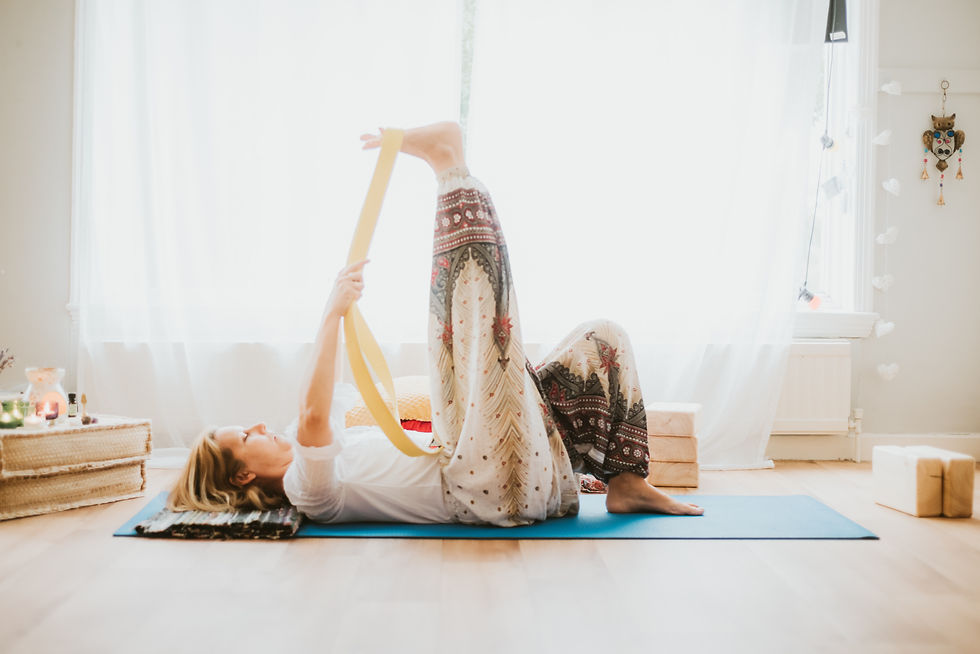
Balance-focused movement is especially important because falls are one of the leading causes of injury in older adults. Activities like tai chi, yoga, stretching, and simple balance exercises can improve stability and body awareness.
A supportive yoga mat or stable surface at home can make these movements safer and more comfortable.
Common functional benefits include:
Easier stair climbing
Improved stability on uneven ground
Greater confidence in daily movement
Reduced fall risk over time
Brain and Mental Health Benefits
Physical activity supports both physical and cognitive health, including memory, focus, mood, sleep quality, and emotional stability.
It is associated with reduced anxiety, lower rates of depression, and slower cognitive decline. These benefits are closely linked to improved circulation, stress regulation, and overall metabolic health.
Independence and Daily Function
One of the most meaningful benefits of staying active is maintaining independence longer.
Strength, balance, and endurance work together to support everyday life, including the ability to live safely at home, maintain hobbies, travel comfortably, and complete daily tasks without unnecessary strain.
In practical terms, movement helps preserve the ability to live life on your own terms.
How Much Exercise Do Older Adults Need?

Most public health guidelines recommend about 150 minutes of moderate activity per week, along with strength training at least two days per week and regular balance or flexibility work.
For many people, this looks like:
Walking most days
Adding a few short strength sessions each week
Including gentle mobility or stretching routines
Walking remains one of the most accessible and effective forms of exercise for healthy aging because it is low impact, adaptable, and easy to maintain long term.
Even short sessions matter. Consistency is more important than duration or intensity.
Best Types of Exercise for Healthy Aging

A balanced routine tends to work best for long-term mobility and independence.
Walking supports heart health, circulation, endurance, and mental well-being. It is simple, low impact, and easy to maintain. Supportive walking shoes can improve comfort and reduce joint strain, making consistency easier.
Strength training helps preserve muscle mass and bone density, which are essential for maintaining independence. Resistance bands, light dumbbells, and chair-based exercises are all effective options that can be adapted to different fitness levels.
Flexibility and balance work such as yoga, tai chi, and mobility exercises help maintain coordination and reduce fall risk. These become increasingly important with age because they directly support stability and movement confidence.
For those with mobility limitations, chair exercises can still provide meaningful benefits, supporting circulation, flexibility, and muscle activation without placing excessive strain on joints.
Simple Ways to Stay Active as You Age
Healthy aging does not require perfect workouts or structured training plans. Small, consistent movement throughout the day can be just as powerful over time.
This might include:
Taking short walks after meals
Stretching while watching television
Using resistance bands during short breaks
Standing and moving more frequently throughout the day
The key is consistency. Movement that fits naturally into daily life is far more sustainable than routines that rely on motivation alone.
Exercises to Approach With Care

Some forms of exercise may require modification, supervision, or gradual progression depending on a person’s health, mobility, and experience level.
These may include very heavy lifting, high-impact jumping, deep squats without proper mobility, poorly performed deadlifts, intense spinal twisting, excessive endurance training, certain traditional core exercises, and hot yoga in heated environments.
These movements are not inherently unsafe. Many people perform them safely with proper instruction and progression. The key is paying attention to form, progressing gradually, and responding to how your body feels.
If movement causes sharp pain, dizziness, chest discomfort, or instability, it is important to stop and seek medical guidance.
Making Movement Sustainable
Sustainable movement habits are more effective than short bursts of intensity.
The most successful routines start smaller than expected, fit naturally into daily life, and focus on enjoyment rather than discipline alone. Choosing activities you actually like makes consistency much easier over time.
Progress matters more than perfection, and even small amounts of movement can create meaningful benefits when practiced regularly.
FAQ
What is the best exercise for staying active as you age?
Walking combined with light strength training and balance exercises is one of the most effective and sustainable approaches for healthy aging.
How much should a 60 or 70 year old exercise?
Most guidelines recommend about 150 minutes of moderate activity per week, plus strength training twice weekly and regular balance work.
Can you start exercising later in life and still benefit?
Yes. Research shows that starting exercise later in life can still improve strength, mobility, mood, and overall health.
What exercise helps prevent falls in older adults?
Balance-focused activities such as tai chi, yoga, and simple stability exercises can help reduce fall risk by improving coordination and stability.
Final Thoughts
Movement is one of the most evidence-backed tools available for supporting healthy aging.
Regular physical activity supports strength, balance, cognitive health, emotional well-being, and long-term independence. Even modest amounts of movement can help support energy, confidence, and mobility over time.
Healthy aging is not about exercising perfectly. It is about continuing to move in ways that support your body, protect your independence, and help you stay engaged with the life you want to live.


Comments