
Best Balance Exercises for Seniors to Prevent Falls at Home
Updated: Mar 7

Falls are one of the leading causes of injury and loss of independence in adults over 65. The encouraging news is that simple balance exercises for seniors, practiced at home, can significantly reduce fall risk and improve stability, confidence, and mobility.
Research consistently shows that targeted strength and balance training lowers the risk of falls in older adults. Balance is not something we simply lose with age. It is a skill that can be maintained and improved with the right exercises.
If you are looking for safe, effective balance exercises you can do at home, start here.
Why Balance Declines With Age
Balance depends on coordination between the inner ear, vision, muscles, joints, and the nervous system. As we age, gradual changes occur in each of these systems.
Muscle mass naturally declines, especially in the legs and hips. Joint stiffness can reduce mobility. Vision changes may affect depth perception. Some medications cause dizziness or lightheadedness. Proprioception, or the body’s awareness of position in space, can become less precise.
These changes happen slowly, which is why many seniors do not notice a problem until they experience a stumble or fall. Proactive balance training helps address these changes before they lead to injury.
Start Early to Maintain Balance

Balance tends to decline gradually over time, and research shows it is easier to maintain balance than to regain it once it has been lost. That means starting gentle balance exercises in midlife, or even earlier, can help preserve mobility and confidence as you age.
Consistent practice now builds strength, coordination, and body awareness, which is a key part of staying active as you age.
Why Fall Prevention Is Critical for Older Adults
Falls can have serious consequences for seniors. Reduced bone density increases fracture risk. Recovery times are longer. After a fall, fear of falling again often leads to reduced activity, which accelerates muscle weakness and balance decline.
According to public health data, strength and balance exercises are among the most effective non-medication strategies for reducing falls in older adults. The evidence is clear: consistent movement makes a measurable difference.
How Balance Exercises for Seniors Help Prevent Falls
The best balance exercises for seniors focus on three essential elements:
Strengthening the lower body
Improving coordination and body awareness
Practicing controlled weight shifts
These exercises retrain the nervous system while strengthening the muscles that keep you upright. Even ten to twenty minutes per day can lead to noticeable improvements in stability. These short movement sessions can add up to meaningful health benefits.
Most importantly, these exercises can be done safely at home.
5 Gentle Balance Exercises to Do at Home
These exercises are generally safe, but everyone’s health is different. Check with your doctor or physical therapist before beginning, particularly if you have existing medical conditions or concerns about balance.
Perform these exercises near a sturdy chair, kitchen counter, or wall for support. Move slowly and with control. Stop if you feel dizzy or unsteady.
1. Single-Leg Stand for Stability
The single-leg stand is one of the most effective balance exercises for fall prevention.
Stand behind a chair or near a counter. Lift one foot slightly off the floor and hold for 5 to 10 seconds. Lower it and switch sides. Repeat several times.
As you improve, increase the hold time or reduce how much you rely on your hands.
Why it works: This exercise strengthens the ankle and hip stabilizers that prevent sideways falls.
2. Heel-to-Toe Walk to Improve Coordination
Heel-to-toe walking strengthens walking stability and coordination.
Place the heel of one foot directly in front of the toes of the other foot. Walk slowly in a straight line, focusing on controlled movement rather than speed.
Why it works: This challenges your balance in a safe, controlled way and improves gait control.
3. Sit-to-Stand to Build Leg Strength
Strong legs are essential for fall prevention.
Sit in a sturdy chair. Stand up slowly without using your hands if possible. Lower yourself back down with control. Aim for 8 to 12 repetitions.
Why it works: This movement strengthens the quadriceps and hips, which are critical for getting up safely and maintaining independence.
4. Weight Shifts for Balance Control
Weight shifts retrain your ability to transfer weight safely.
Stand with feet hip-width apart. Slowly shift your weight onto one foot, return to center, then shift to the other side. Keep your posture upright and movements controlled.
Why it works: It improves balance transitions used in daily activities such as stepping and turning.
5. Shallow Squats for Hip Strength
Holding onto a stable surface if needed, bend your knees slightly into a shallow squat.
Keep your chest upright and knees aligned. Slowly return to standing.
Why it works: Strong hips are one of the strongest protective factors against falls in older adults.
Tai Chi for Fall Prevention in Seniors
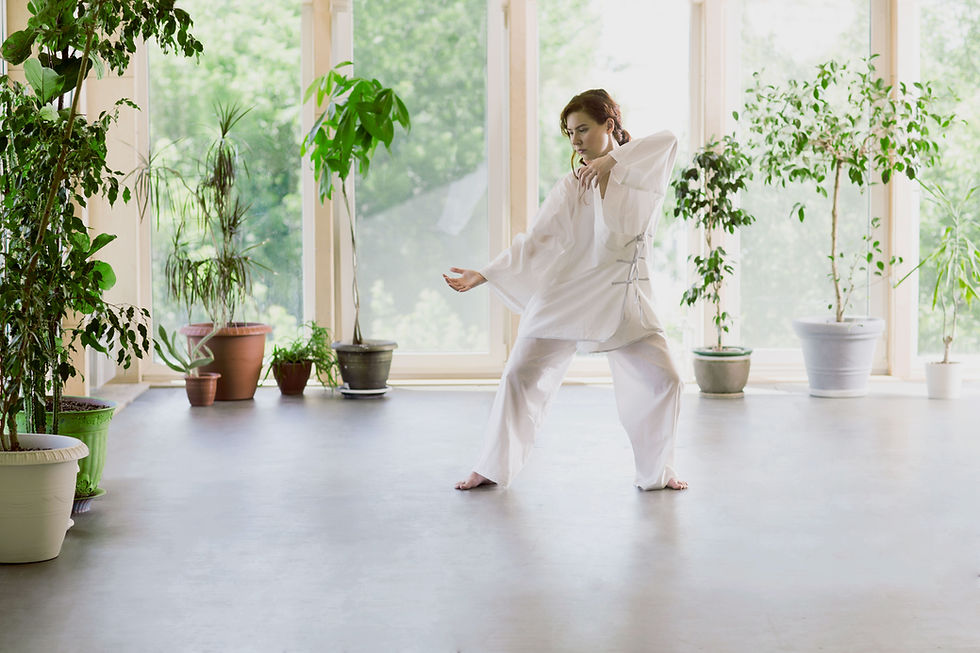
In addition to home exercises, structured movement practices can provide additional benefits. Tai chi is one of the most researched forms of exercise for reducing falls in older adults.
Multiple clinical studies show that tai chi helps reduce fall risk by improving lower-body strength, posture, and coordination. Its slow, controlled movements promote better weight shifting and body awareness, making it especially helpful for balance training.
Because it is low impact and adaptable, tai chi is appropriate for beginners and those with joint discomfort. Chair-based options are also available.
Yoga for Senior Balance and Stability

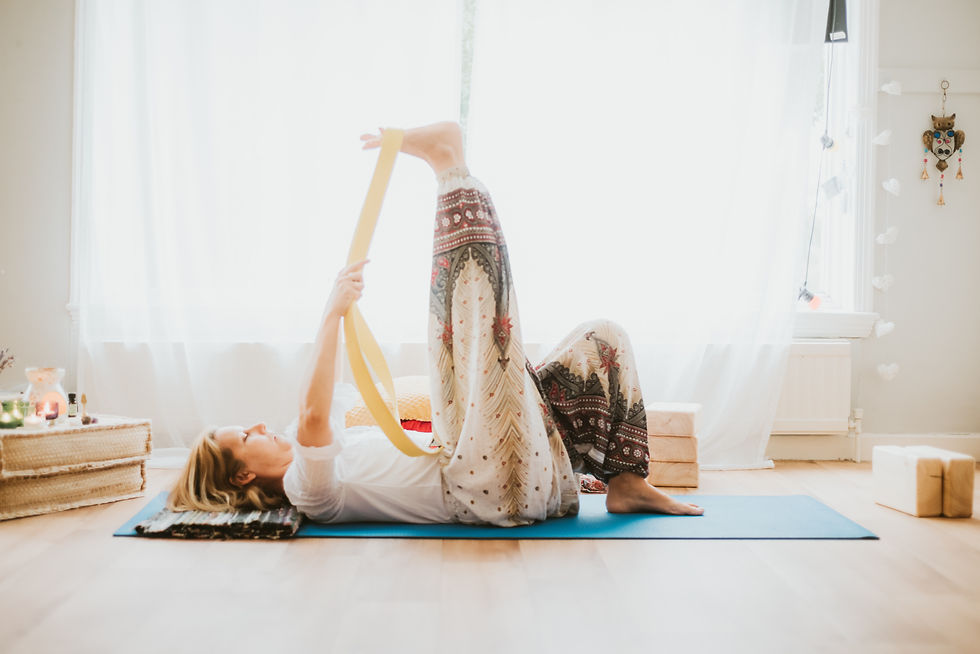
Yoga is another research-supported practice that can improve balance, flexibility, and strength. It also supports joint mobility as you age, helping maintain overall movement quality and stability.
Beginner-friendly yoga strengthens the core, improves posture, and enhances joint mobility. Improved posture alone can significantly increase stability by aligning the body more efficiently over the feet. Chair yoga and senior-focused classes offer safe starting points.
A supportive yoga mat can make floor-based poses more comfortable and help prevent slipping during home practice.
How Often Should Seniors Practice Balance Exercises?
Most experts recommend performing balance exercises at least three times per week, though short daily sessions can lead to even greater improvements. The key is consistency rather than intensity. Like many health improvements, small daily habits tend to produce the most lasting results.
Always perform exercises near a stable support, and if you have a history of falls, dizziness, or any medical conditions that affect balance, consult your healthcare provider before starting a new routine.
Frequently Asked Questions About Balance Exercises for Seniors
What is the best exercise to improve balance?
Single-leg stands are among the most effective exercises because they directly strengthen the stabilizing muscles in the ankles and hips.
How often should seniors practice balance exercises?
Most experts recommend at least three times per week, though short daily sessions may provide even better results.
Can balance be improved after age 70?
Yes. Research shows balance can improve at any age with consistent strength and coordination training.
Are balance exercises safe to do at home?
Yes. When performed slowly, near a sturdy support, and within your comfort level, most balance exercises are safe for home practice.
How long does it take to see improvement?
Many older adults notice improvements in stability within four to six weeks of consistent practice.
Start Improving Your Balance Today
Balance declines gradually over time, but it can be maintained and even improved with consistent practice. Spending just a few minutes each day on simple balance exercises at home strengthens your legs, sharpens coordination, and lowers your risk of falling.
You don’t need special equipment or intense workouts - regular, gentle movement is enough to help you stay steady, confident, and independent for years to come.
Starting today is one of the most effective ways to protect your mobility for the future.


Comments