
How to Keep Your Joints Flexible as You Age with Gentle Daily Movement
- 4ever4nowliving
- Dec 23, 2025
- 3 min read
Updated: Feb 22

Stiffness has a way of sneaking up on you. You feel it when you get out of bed, after sitting for a long stretch, or when stairs suddenly feel less friendly than they used to. These changes are common as we age, but they are not inevitable. Most joint stiffness doesn’t come from getting older - it comes from moving less.
The good news is that you don’t need intense workouts or long exercise sessions to keep your joints flexible. Gentle daily movement is often far more effective, because the key is not intensity but taking your joints through their full range of motion every single day.
Your Joints Expect to Move Every Day
Joints are built to move. Cartilage cushions them, muscles support them, and circulation nourishes them. All of this works best when joints are taken through their natural range of motion regularly.
When movement slows, muscles tighten, joints feel restricted, and it becomes easier to move even less - creating a cycle of stiffness. Just a few minutes of gentle movement each day can break that cycle, keeping your joints comfortable and agile over time.
Why Short, Frequent Movement Works Better Than Workouts

Protecting your joints doesn’t require structured “exercise.” What matters is stopping long periods of stillness. Walking, stretching, light chores, gardening, or a short yoga session all count. These small breaks throughout the day keep joints active without strain.
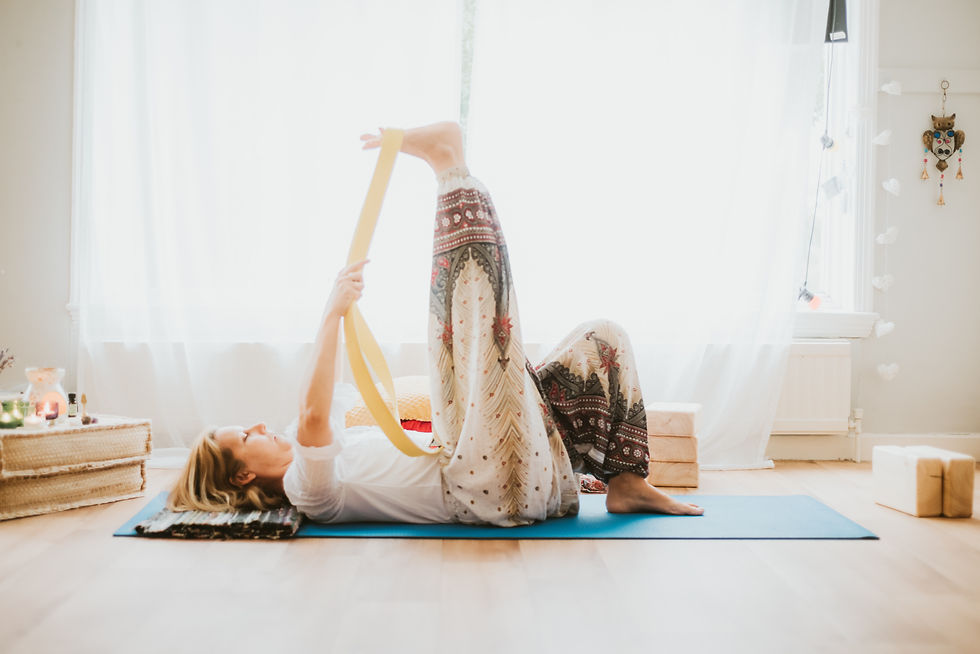
Low-impact activities such as yoga, tai chi, resistance bands, or brisk walking are especially helpful because they’re easy to repeat consistently. Swimming or water-based exercises are also excellent options when available. And if a movement ever leaves you sore or tense, that’s your body signaling that you need to adjust, not push through.
The Morning Habit That Changes the Whole Day
One simple habit can make a big difference. Before the day gets busy, take three to five minutes to gently move your joints. Roll your shoulders, circle your ankles, stretch your hips, and twist gently from side to side. This routine can prevent that familiar morning “crunch” and make everything else during the day feel easier and lighter.
The Moment You Notice You’ve Been Moving Less
Stiffness often appears in small ways: your hips grumble when you bend to tie your shoes, your knees hesitate before climbing stairs, or your shoulders feel tight reaching for something on a high shelf. These moments are not signs that your body is failing you; they are gentle reminders that your joints want more movement. And they respond quickly when you give them what they need.
You Don’t Need a Routine, You Need Repetition

Maintaining flexibility doesn’t require fancy equipment or a long plan. Simple movements - shoulder rolls, ankle circles, gentle twists, or light stretching for your hips, knees, and back - are all effective. A few minutes of yoga on a mat or water-based exercises can also help.
Just five minutes a day, done consistently, is enough to improve joint flexibility and reduce everyday stiffness as you age. Over time, these small, repeated movements can have a lasting impact.
Make Movement Part of What You Already Do
Movement becomes effortless when it fits into your daily routine. Stretch after waking, walk while talking on the phone, do a few mobility exercises while watching TV, or take short breaks from sitting. These small actions, repeated day after day, add up far more than occasional long workouts ever will.
Knowing the Difference Between Helpful and Harmful
Some stiffness is normal when starting new movements, but sharp pain, swelling, or lingering soreness is not. The goal is to feel looser, stronger, and more capable - not exhausted. Adjust as needed, and give your body time to recover.
Small Things That Keep Your Joints Flexible

Movement works best alongside other healthy habits. Staying hydrated, eating in a way that supports muscles and reduces inflammation, sleeping well, and managing stress all help your joints feel better.
Supportive shoes, cushioned mats, and stable chairs can make movement safer and more comfortable. Resistance bands or light hand weights can gradually strengthen your muscles, helping protect your joints as you move each day.
Progress Over Perfection
Joint flexibility isn’t about doing more - it’s about doing a little every day. Start with five minutes, try it for a week, notice how your body responds, and then build from there. Over time, these gentle, consistent movements help you stay comfortable, capable, and confident in your body again.


Comments