
Slow, Intentional Movement for Strength, Mobility, and Joint Health
- 4ever4nowliving
- Jan 5
- 4 min read

Most people think you need heavy weights, fast reps, or intense workouts to get stronger. But the truth is, slowing down can be even more powerful. Slow, intentional movement builds strength, improves mobility, and protects your joints, all without punishing your body.
This mindful practice may look simple, but when done correctly, it can dramatically improve strength, mobility, and joint health, while also calming the nervous system. By slowing down and focusing on control, you reduce unnecessary strain on your joints, increase muscle engagement, and build movement quality that lasts a lifetime.
What Is Slow, Intentional Movement?
Slow, intentional movement emphasizes controlled, deliberate motion through the full range of movement. Instead of rushing through repetitions or relying on momentum, you move purposefully, keep the muscles engaged throughout, and maintain proper alignment, breathing, and body awareness.
Unlike high-speed workouts, slow movement prioritizes quality over quantity. This often produces better long-term results and reduces the risk of injury, making it suitable for all fitness levels.
How It Differs from Traditional Workouts

In fast-paced routines, momentum often does part of the work, muscles disengage at certain points, and joints absorb unnecessary stress. Slow movement removes momentum, keeps muscles fully engaged, and allows each phase of the movement to strengthen your body while protecting your joints.
Because your muscles do all the work, slow movement offers a joint-friendly alternative to traditional strength training while still building real functional strength.
Moving with proper control also helps reinforce good posture by strengthening the muscles that support healthy alignment. If poor posture is contributing to neck, shoulder, or back discomfort, these simple daily habits can help you learn how to fix poor posture and reduce strain.
Why Slow Movement Boosts Mobility
Mobility isn’t just flexibility, it’s the ability to move confidently and efficiently through your range of motion. Slow, intentional movement helps your body adapt and stabilize, improving not only joint flexibility but also strength, balance, coordination, and overall body awareness.
By slowing down, you give your muscles and joints the time to respond and adjust safely, making everyday activities like bending, reaching, or walking easier and more controlled. Over time, this translates to smoother, more confident movement in daily life.
Building Strength Without Heavy Loads

Many people assume slower movement limits strength gains, but the opposite is often true. Keeping muscles engaged throughout the entire range of motion increases time under tension, which promotes better muscle activation, improved tone, and strength gains without the need for heavy weights.
This approach allows you to work harder safely, reducing joint stress while still challenging your muscles effectively.
Injury Prevention and Long-Term Benefits
Slow, intentional movement also helps prevent injuries. By focusing on proper form, controlled transitions, and muscle awareness, you improve proprioception, your body’s sense of position and movement. This reduces compensations and poor mechanics, making your practice safer and more efficient.
Beyond physical benefits, slow movement positively impacts the mind. Practicing with attention can boost focus and mental clarity, reduce stress and tension, and support emotional well-being. It even encourages metabolic activity by fatiguing targeted muscles without rushing, which supports overall health and muscle maintenance over time.
Who Should Practice Slow Movement

This approach is suitable for nearly everyone but is particularly helpful for beginners, older adults, people recovering from injury, and anyone with joint sensitivities. Because it’s gentle and adaptable, slow movement is a sustainable approach to lifelong strength, mobility, and functional fitness.
Getting Started
You don’t need long, intense sessions to see benefits. Even 20–30 minutes once or twice per week can produce noticeable improvements. Popular ways to practice include yoga, tai chi, Pilates, mindful walking, or slow, controlled strength exercises.
Consistency is more important than intensity. By regularly practicing with attention to form and movement quality, you build strength, mobility, and body awareness over time.
Equipment That Supports Slow Movement

You don’t need much equipment, but certain tools can make your practice safer, more comfortable, and more effective. Essential items include:
Supportive Yoga Mat – Cushioned, non-slip mat protects joints during floor-based movements.
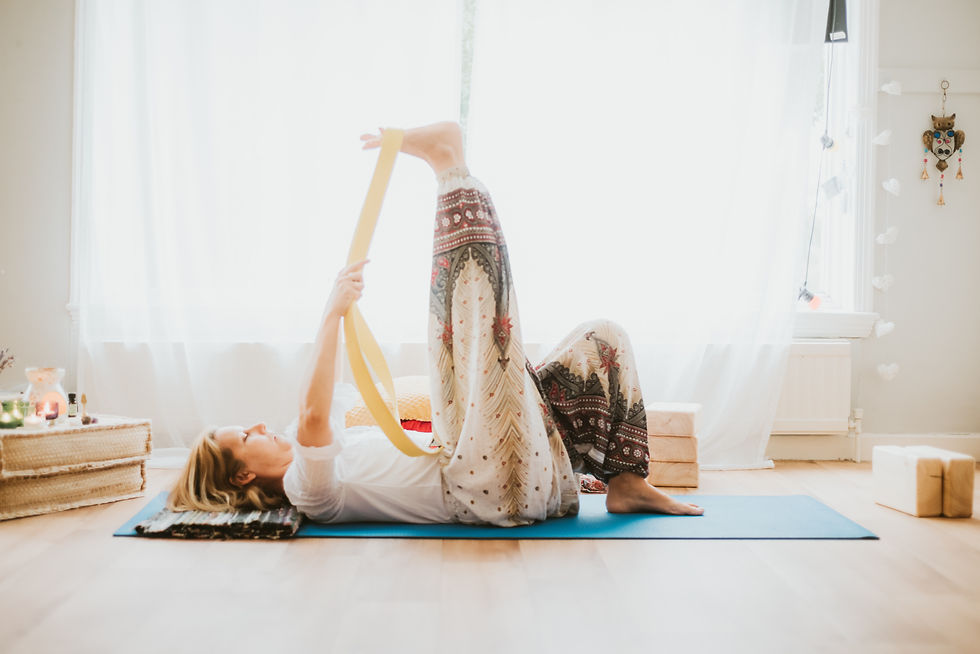
Yoga Blocks or Strap – Helps maintain proper alignment and safely extend your range of motion.
Resistance Bands – Provide gentle, continuous resistance to keep muscles engaged.
Foam Roller or Massage Balls – Aid recovery and release tight areas, improving overall mobility.
These tools emphasize quality of movement rather than intensity and are suitable for all skill levels.
The Bottom Line
Slow, intentional movement isn’t about doing less, it’s about doing better. By moving with control, awareness, and purpose, you can build functional strength, improve mobility, protect your joints, reduce stress, and support long-term well-being.
Start small this week. Try a short yoga session, a few controlled strength exercises, or a mindful walk. Pay attention to your body and notice how intentional movement affects your strength, balance, and confidence.
Try it and share your experience! Have you practiced slow movement before? Comment below with your favorite exercises and how they’ve helped you.
Slow down, move better, feel stronger.


Comments