
How to Start Exercising Again: Beginner Workouts and Tools to Get Back in Shape

Getting back into exercise after a long break can feel overwhelming. The good news is you do not need a gym membership or complicated routines to start exercising again.
With a few simple tools for beginners and a realistic approach, you can rebuild strength, boost energy, and feel more confident in your body, all from the comfort of home.
Before you begin, check in with your doctor, especially if you have any underlying health conditions or have been inactive for years. Once you have the green light, the key is to start small and stay consistent.
If you're hesitant because you've heard conflicting advice about exercising as you get older, read our guide to the most common exercise myths for older adults before you begin. It separates fact from fiction so you can start with confidence.
How to Start Exercising Again: Begin Slow and Build Momentum
One of the most common mistakes for beginners returning to exercise is trying to do too much too soon. Your body needs time to adapt, especially after a long break. Start with low-impact beginner workouts such as walking, swimming, light cycling, or beginner yoga. Even 10–15 minutes per day is enough to get started. Gradually increase to 20 or 30 minutes as your endurance improves.
Low-impact exercise reduces stress on joints while improving cardiovascular health and mobility. The goal at first is not intensity, it’s consistency. Focusing on small, manageable sessions helps you avoid injury and build confidence.
Strength Training for Beginners: Simple Bodyweight Exercises
Cardio is a great foundation, but strength training helps rebuild muscle, support joints, and improve daily function. You do not need complicated equipment to begin. Bodyweight exercises like wall push-ups, chair squats, and short plank holds are highly effective for beginners. As you grow stronger, you can safely add resistance bands or light hand weights to continue progressing.
Beginner Workout Weekly Roadmap

If structuring your week feels daunting, try this beginner-friendly plan that balances cardio, strength, and flexibility:
Monday: 10-minute walk at a comfortable pace (you should be able to talk, but not sing)
Tuesday: Bodyweight strength exercises
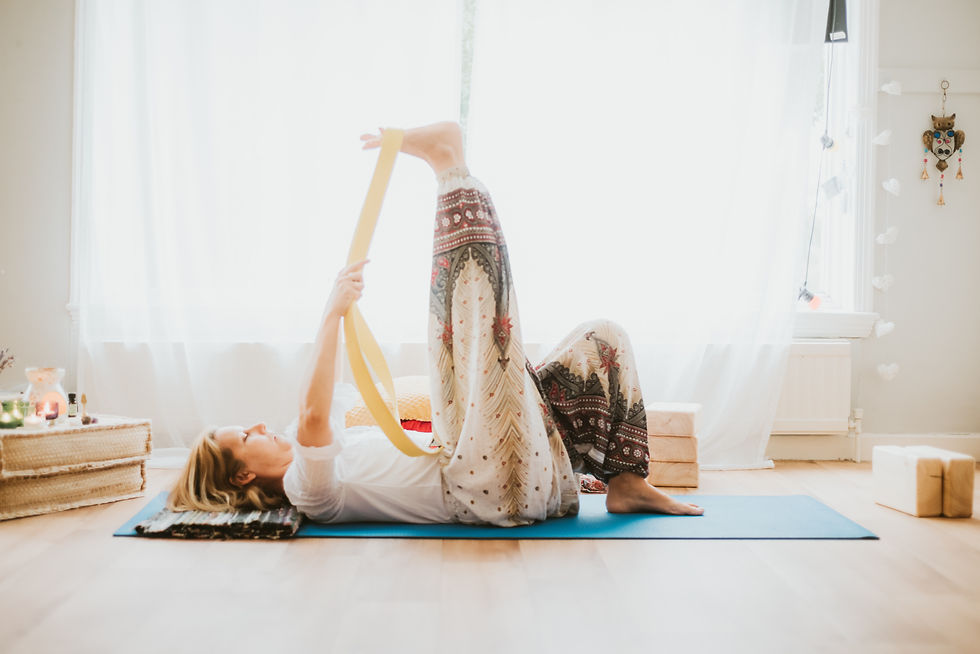
Wednesday: Beginner yoga focused on mobility and flexibility
Thursday: 10-minute walk
Friday: Bodyweight strength exercises
Saturday: Beginner yoga
Sunday: Rest or gentle movement like stretching or an easy walk
This routine gives your body time to recover while steadily building fitness.
How to Progress Safely
As your body adapts, gradually build on your routine. Start by increasing your time by about 5 minutes per week, or at a pace that feels manageable. Staying at the same level for a couple of weeks is completely fine if needed, consistency matters more than speed. Ultimately, aim for around 30 minutes of movement most days.
Walking Progression
As your fitness improves, your comfortable walking pace may naturally become more brisk. You should still be able to talk, but not sing. Over time, add light hand weights or a weighted vest to make your walks more challenging.
Strength Progression
Keep strength days simple. Choose 3–4 basic exercises like wall push-ups, chair squats, and planks. Perform 1–2 sets of 8–12 reps per exercise, focusing on slow, controlled form rather than rushing.
Yoga Progression
Start with short, beginner-friendly yoga sessions. Gradually hold poses longer, try slightly longer routines, or explore beginner-to-intermediate flows to improve flexibility, balance, and mobility.
Leveling Up
Once you are consistently active for 30 minutes most days, increase intensity and variety. Small upgrades like adding light weights, advanced strength moves, or longer yoga flows help your body continue adapting without overhauling your routine.
Fitting Workouts Into a Busy Schedule
Time is often the biggest barrier, but short, simple workouts are surprisingly easy to fit in. Even 10–15 minute sessions can make a difference. You might:
Take a walk in the morning before work
Do a few strength exercises while dinner cooks
Fit in a quick yoga session before bed
Work breaks can also be productive: a brisk walk around the building, chair squats or wall push-ups in a private space, a short yoga flow on a mat, or a few minutes of stair climbing. Even 5–10 minutes counts on busy days. These small, consistent efforts build the habit and make staying active more sustainable.
Beginner Workout Tools You Need to Get Started
Having the right tools can make workouts safer, more comfortable, and more enjoyable, especially when you are just getting back into exercise. You do not need everything at once, starting with a few basics is enough to get moving and stay consistent.

Yoga Mat A good yoga mat is essential for almost any beginner routine. It provides a stable, cushioned surface for floor exercises, stretching, and yoga, protecting your joints from hard floors. A non-slip mat can also help you maintain proper form, making movements safer and more effective. For beginners, choose a mat with moderate thickness, so it’s comfortable but still firm enough for balance during strength exercises or planks.

Resistance Bands Resistance bands are lightweight, portable, and incredibly versatile. They let you add gentle resistance to exercises like squats, rows, shoulder presses, and even assisted pull-ups. Bands are perfect for beginners because they are easy on the joints while helping you gradually build strength. They also make workouts more interesting by allowing a variety of exercises without needing heavy dumbbells or machines.

Light Hand Weights Small dumbbells are a simple way to add gradual resistance to your workouts. Even 2–5 pound weights can make a noticeable difference over time, helping your muscles grow stronger without overwhelming your body. Light hand weights are great for exercises like bicep curls, tricep extensions, and shoulder presses, and they complement bodyweight movements to make strength training more effective.

Fitness Tracker A fitness tracker can be a game-changer for beginners. By tracking steps, active minutes, and progress over time, it keeps you motivated and accountable. Many trackers also let you monitor heart rate, set reminders to move, and celebrate milestones, which helps turn short workouts into a lasting habit.
Tools to Add as You Progress
Once you feel more confident and your fitness improves, adding a few more tools can help keep workouts challenging, engaging, and effective.

Weighted Vest A weighted vest is an easy, beginner-friendly way to add resistance to walking or bodyweight exercises, helping you safely build strength and endurance without complicated equipment. It also increases calorie burn and makes your workouts feel more effective, making it perfect for home fitness routines.

Kettlebell Kettlebells are versatile for functional, full-body strength exercises, such as swings, deadlifts, and carries. They help improve coordination, core stability, and overall muscle tone in one movement. Even a single kettlebell is enough to create a complete workout routine at home.

Jump Rope A jump rope is a portable cardio tool that adds variety and intensity to your workouts. Just a few minutes of jumping can elevate your heart rate, improve coordination, and boost endurance. It’s perfect for short, effective sessions, especially when time is limited.

Stability Ball A stability ball improves core strength, balance, and posture. It can also make modified exercises safer and more effective, like using it for wall squats or gentle ab work. Stability balls add fun and variety to your workouts while challenging your body in new ways.
Pull-Up Bar A doorway pull-up bar helps build upper body strength. Assisted variations or band-supported pull-ups allow beginners to work toward a full pull-up safely. It’s a compact, space-efficient tool that adds a new dimension to home workouts, especially for the back, arms, and shoulders.
Do Not Overlook Recovery

Recovery is just as important as the workouts themselves, especially when you are getting back into exercise after a long break. Giving your body time to rest and repair helps you avoid injury and makes it easier to stay consistent.
Simple habits like foam rolling, gentle stretching, and taking rest days can reduce soreness, improve mobility, and support muscle recovery. These small practices help your body adapt to movement so you can keep progressing without feeling burned out.
Think of recovery as part of your routine, not something separate from it. When you prioritize both movement and recovery, you set yourself up for steady, sustainable progress.
Start Small and Stay Consistent
Consistency is what drives real progress. You do not need perfect workouts or a complicated routine. You just need something you can stick with. Rotate activities, build gradually, and keep your workouts manageable so they fit into your life.
If you have not exercised in years, the hardest part is getting started. Begin with something small, even just a short walk or a few simple movements. From there, momentum builds.
Over time, those small efforts turn into strength, energy, and confidence.
You are not just starting a workout routine. You are rebuilding a habit that can support your health for years to come.


Comments